
Magpie Nails: Is This Gel Brand Really Worth the Hype?
I still remember the first time a client asked me,…
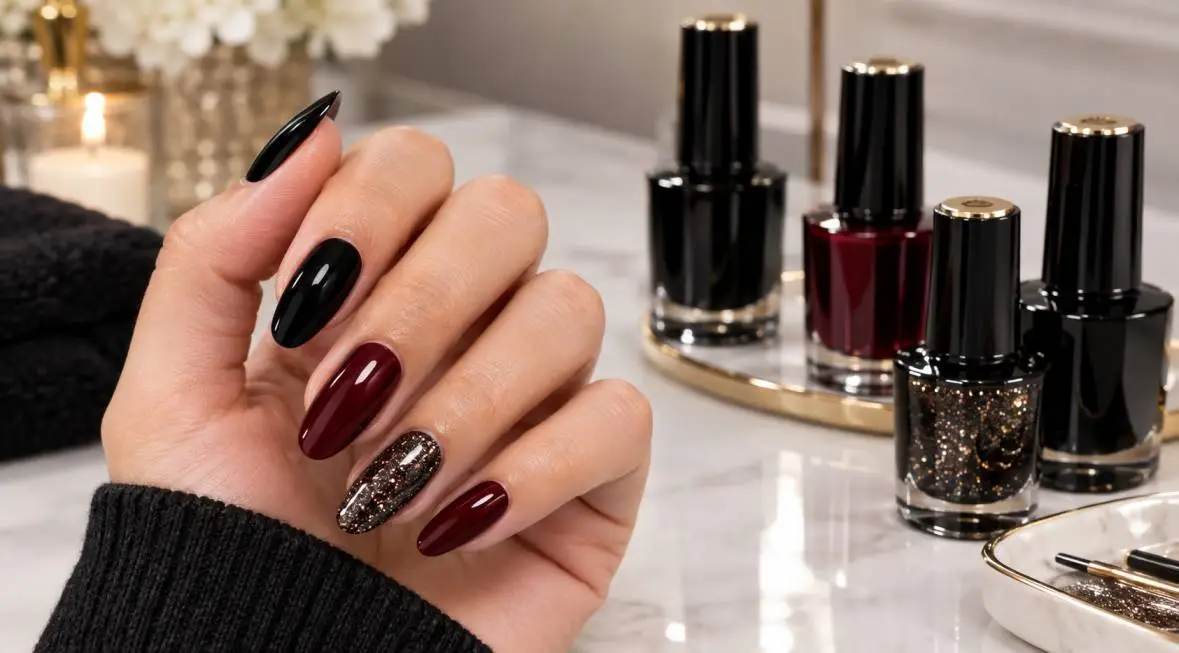
I still remember the first time a client asked me, “Wait, is Magpie the one with all the glitter?” She’d seen it tagged in a dozen nail art reels and wanted to know if it was worth switching her whole gel system over. Fair question and one I get more than almost any other these days.
Magpie Beauty has quietly become one of the most talked-about names in professional gel, and the questions around it tend to cluster into the same handful of themes: is it actually good, how do you apply it, does it contain the ingredients everyone’s suddenly worried about, and is it safe. So let’s go through all of it, one honest answer at a time.
Key takeaways:
- Magpie is a professional-only, 100% pure gel system manufactured in the UK/EU not a hybrid polish, and not sold to the general public.
- Most of the range is HEMA-free, with a short, clearly labeled list of exceptions containing trace amounts.
- Application is a multi-step gel process (base, structure, color, top coat), each layer cured under an LED lamp not a quick-dry polish you paint on at home.
- TPO has become a hot topic since the EU’s 2025 ban on the ingredient in cosmetics; Magpie’s EU manufacturing means it’s built to keep up with those rules.
- “Safe” depends on context professional gel systems carry different considerations than at-home polish, and Magpie is designed exclusively for trained technicians.
Is Magpie a Good Nail Brand?
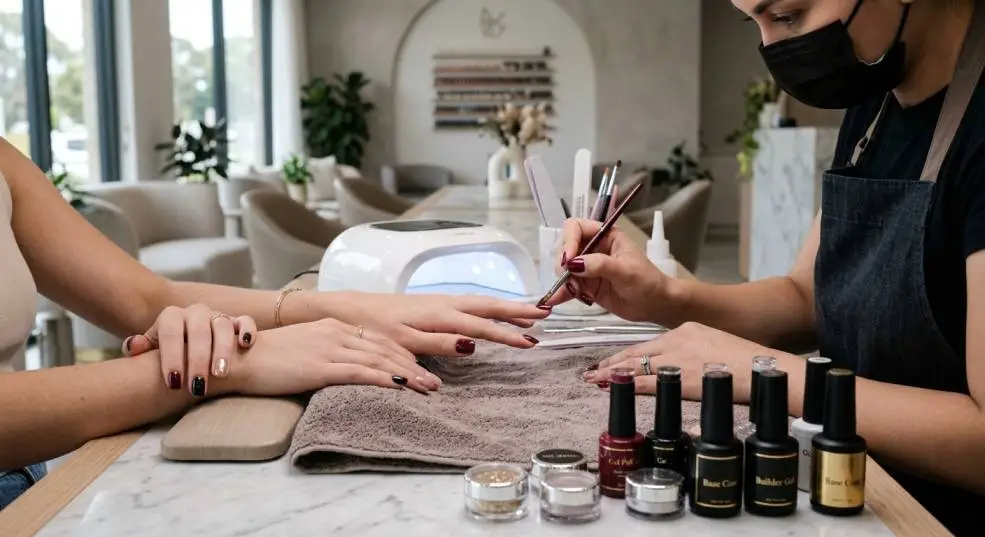
Here’s the thing about “good” in the nail industry it rarely means one single thing. A brand can be good for pigment and terrible for structure. Good for glitter work and mediocre for French tips. So when someone asks if Magpie is good, what they usually mean is: can I trust it, and will my clients love the result?
On trust, Magpie has built a real reputation among working techs, not just influencers. It’s a professional-only brand, meaning you can’t just grab it off a drugstore shelf you need a recognized qualification in gel application to purchase it, or you go through one of their own training masterclasses. That gatekeeping matters more than it might sound like. It means the person applying it (hopefully you, or whoever’s doing your nails) actually understands cure times, layering, and prep which is half the battle with any gel system.
On results, Magpie’s colors are known for being heavily pigmented, often achieving full coverage in a single layer even though two coats are still recommended for the best finish. And it’s not just polish the brand has built out a full ecosystem: base coats, structure gels, builder gels, glitters, chromes, and its own LED lamp calibrated specifically to cure its formulas properly. That last point is worth remembering if you’re comparing gel brands: Magpie doesn’t guarantee full cure performance in someone else’s lamp, so the “system” really is meant to be used as a system.
There’s also a “prescriptive manicure” philosophy running through the brand that’s worth mentioning, because it explains a lot of the range’s depth. Instead of one base coat that’s supposed to work for everyone, Magpie offers different bases for different needs a rubber-style base for maximum adhesion on clients who struggle with lifting, and a HEMA-free alternative for clients managing sensitivities. That’s a more clinical, client-specific approach than a lot of one-size-fits-all polish brands take, and it’s part of why techs who’ve trained on the system tend to stick with it rather than mixing and matching from other lines.
So is it “good”? For a working nail tech who wants pigment payoff, structural options for weak or damaged nails, and a brand that treats formulation seriously yes, Magpie earns its reputation. It’s just not designed for someone wanting to grab a bottle at the pharmacy and DIY it on a Sunday night. That’s a trade-off, not a flaw, but it’s one worth knowing before you go looking for it in stores.
How Do You Apply Magpie Nails? (And Is It a Hard Gel?)
This is where a lot of people get surprised. Magpie isn’t a “paint it on and you’re done” gel polish it’s built more like a structural system, closer to what you’d see in acrylic or hard gel enhancements than a basic gel manicure.
A typical Magpie application looks something like this:
- Prep the nail. Clean, dehydrate, and lightly buff the natural nail so the gel has something to grip.
- Apply the base coat, sealing the free edge fully no product should touch the cuticle or sidewalls. Cure under the LED lamp.
- Build structure if needed. For added strength (or actual extensions), a structure or builder gel like their “Give Me Strength” or hard gel line goes on next, cured in layers.
- Apply the color. One or two thin, even coats, curing between each.
- Finish with a top coat for shine and durability, then cap it off with cuticle oil.
As for whether it’s a “hard gel” sort of, depending on which product you’re using. Magpie’s dedicated hard gel line (their sculpting gel) is explicitly stronger than a standard builder gel, meaning technicians actually need less product to achieve the same strength. But their everyday gel polish line functions more like a traditional soak-off gel color. So the honest answer is: Magpie offers both, and which one you’re getting depends on the specific product on the shelf.
Worth knowing before you book: because it’s a layered, cured system, Magpie manicures typically last around two to three weeks right in line with standard professional gel wear time, assuming it’s applied and cured correctly.
One detail that trips up even some experienced techs switching to Magpie: cure time and lamp compatibility aren’t interchangeable across brands. Most Magpie layers cure in 60 seconds under their LED lamp, but that number assumes you’re using a lamp actually calibrated to their formula’s chemistry. Pop a Magpie color under a random 36-watt lamp from a different brand and you might get a soft, under-cured layer that peels early which then unfairly gets blamed on “bad product” when it’s really a lamp mismatch. If you’re a tech considering the switch, budgeting for their lamp isn’t an upsell, it’s part of getting the results the brand is actually capable of.
Does Magpie Beauty Contain TPO?
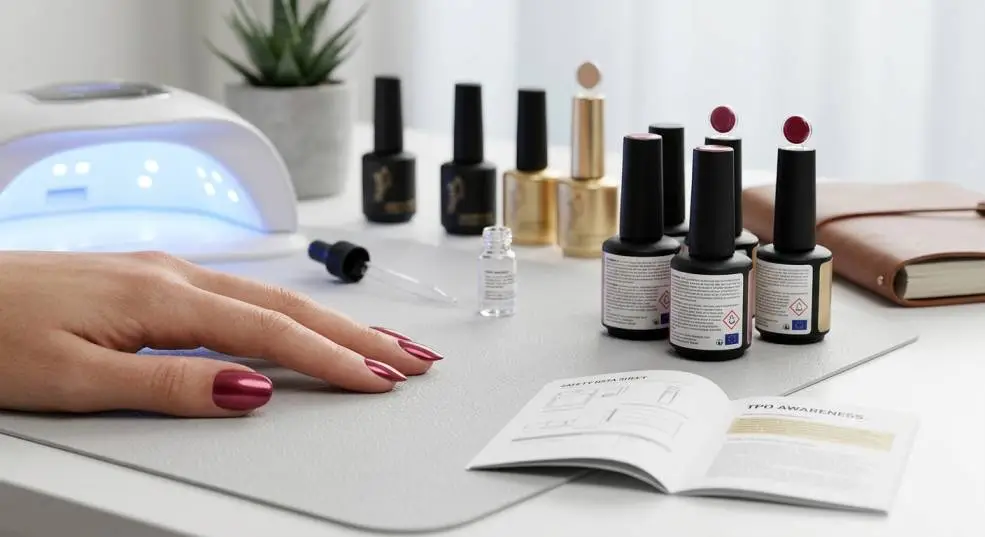
This question has exploded in the last year, and for good reason. In September 2025, the European Union banned TPO trimethylbenzoyl diphenylphosphine oxide from cosmetic products after classifying it as a reproductive toxicant based on animal studies. TPO is a photoinitiator, the ingredient that actually kicks off the chemical reaction that hardens gel under UV or LED light, so it’s historically been in a huge share of gel polishes on the market, not just Magpie.
It’s worth pausing on the nuance here, because headlines tend to flatten it. The concern came from studies where animals were fed high concentrations of TPO a very different exposure scenario from a thin layer cured on a fingernail. Regulators took a precautionary, hazard-based approach rather than pointing to documented harm in actual nail clients. The U.S. hasn’t followed suit; TPO remains legal to sell and use there.
Where does Magpie land? The brand manufactures in the UK and EU and states its products are formulated to meet strict EU regulatory standards which, post-2025, effectively means staying ahead of ingredients like TPO rather than scrambling to reformulate after the fact. If you want product-specific certainty, the safest move is always to check the label or ask your technician directly, since formulations (and regulations) can shift by product line and by year.
Are Magpie Beauty Products Safe to Use?
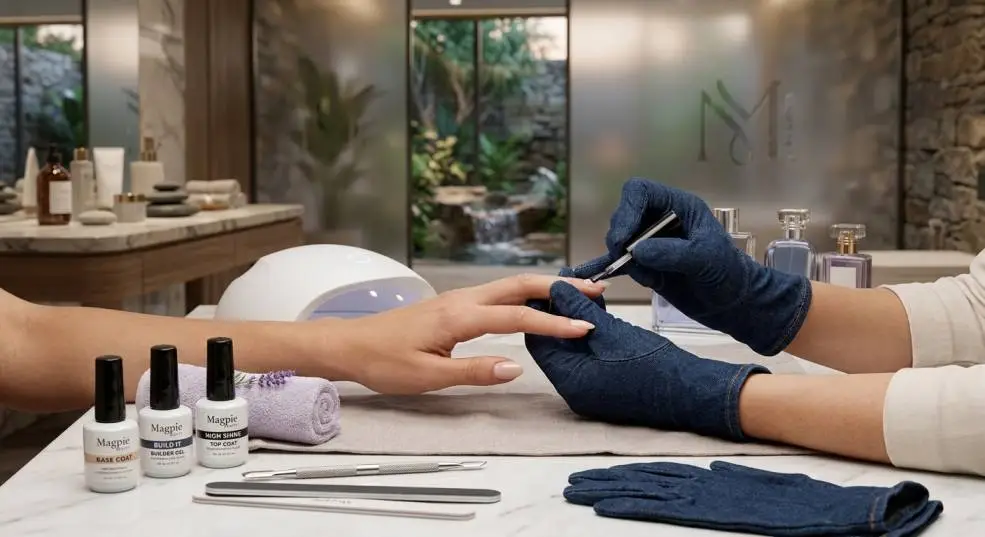
Let’s separate two different safety conversations, because they get tangled together constantly: ingredient safety and process safety.
On ingredients, Magpie’s biggest safety selling point is being largely HEMA-free. HEMA 2-hydroxyethyl methacrylate is currently the single most common cause of allergic contact dermatitis linked to gel and acrylic nail products, and its molecule is small enough to penetrate skin easily. Magpie’s gel collection is HEMA-free across nearly the entire range, with a short, specifically named list of exceptions (certain base coats and top coats) that contain small percentages of HEMA generally under 1%, with one product listed at under 5%. If you’re someone with a known HEMA sensitivity, that short exceptions list is exactly what you or your tech should be checking before your next appointment.
On process, the bigger factor is honestly less about the brand and more about who’s applying it. Because Magpie requires a professional qualification to purchase and use, you’re less likely to run into the sloppy application, over-filing, or improper curing that causes most of the actual damage associated with gel manicures allergic reactions from skin contact during application, or nail damage from incorrect removal.
The other safety consideration that applies to gel manicures generally, Magpie included, is UV exposure from the curing lamp. Dermatologists commonly recommend applying broad-spectrum sunscreen to your hands before curing, or opting for an LED lamp (which uses less UV exposure time) a small habit that costs nothing and meaningfully reduces cumulative sun exposure over years of gel manicures.
It’s also worth saying plainly: “safe” is never an absolute, all-or-nothing label for any cosmetic product, and Magpie is no exception. Safety is really a combination of three things what’s in the formula, how it’s applied, and how it’s removed. Magpie does the formula part well by minimizing known allergens. A trained technician handles the application part. The removal part is on you: soaking off gel properly with acetone and patience, rather than picking or peeling it off, is what actually prevents the thin, damaged nail beds that give gel manicures their bad reputation in the first place.
So, Should You Try Magpie?
If you’re the kind of client who wants salon-strength durability, doesn’t mind a slightly longer application process, and cares about what’s actually in the product touching your nails Magpie checks a lot of boxes. It’s not a drugstore impulse buy, and that’s kind of the point. The professional-only model means the person applying it has actually been trained on it, which cuts down on a lot of the risk that gives gel manicures a bad reputation in the first place.
The real move here isn’t to just pick a brand off a mind map of Google questions it’s to ask your nail tech directly which Magpie products they’re using on you, whether any contain trace HEMA, and how they’re managing UV exposure during your appointment. A good tech will have those answers ready, and honestly, that’s the real sign of a good nail brand: not just what’s in the bottle, but who’s confident enough to talk you through it.
Frequently Asked Questions
How long does Magpie gel polish actually last?
Most Magpie gel manicures hold up for two to three weeks, which is standard for a professional gel system. Wear time depends heavily on proper prep, correct curing under a compatible lamp, and how the nails are used day to day someone who’s hard on their hands (frequent hand-washing, manual work, gripping hot pans) will usually see chipping or lifting sooner than someone who isn’t.
Is Magpie completely HEMA-free?
Almost, but not entirely. The vast majority of the gel polish range is HEMA-free. A short, specifically named list of products including a couple of base coats and top coats contains trace amounts, generally under 1%, with one exception listed at under 5%. If you have a known HEMA allergy, ask your technician which exact products they’re using rather than assuming the whole line is allergen-free.
What are the downsides of gel nail polish in general?
Even with a well-formulated brand like Magpie, gel manicures come with trade-offs that apply industry-wide: the removal process can weaken or thin natural nails if it’s rushed or picked at instead of properly soaked off, repeated LED/UV curing adds up in cumulative sun exposure to the hands, and switching gel brands or lamps can affect cure quality if they weren’t designed to work together. None of these are reasons to avoid gel entirely they’re just things worth managing with good technique.
Can I apply Magpie gel at home, or do I need a salon?
Technically, no Magpie is sold exclusively to people holding a recognized gel or nail enhancement qualification, whether that’s a prior certification or one of Magpie’s own training courses. This isn’t just a sales restriction; the multi-layer, structure-building application process assumes a level of technical skill that’s genuinely hard to replicate safely with a basic at-home starter kit. If you want the Magpie look, your best bet is booking with a certified technician rather than trying to source the products yourself.