
Your Complete Pedicure Guide: What to Expect, What It Costs, and When to Skip It
There’s a particular kind of relief that comes from finally…

There’s a particular kind of relief that comes from finally sitting down, feet in warm water, after months of telling yourself you’d “get to it eventually.” A pedicure is one of those self-care rituals that feels almost indulgent, but underneath the massage chair and the polish, it’s genuinely doing something useful for your foot health, especially the kind most of us neglect the rest of the year.
Whether this is your first time booking one or you’re just trying to figure out how often you actually need to go, let’s walk through what really happens in that chair, how it’s different from a manicure, what it should cost, and, importantly, when it’s actually smarter to skip it.
Key Takeaways
- A standard pedicure includes a soak, nail trimming and shaping, cuticle care, callus treatment, a foot massage, and polish, typically taking 45 minutes to an hour.
- Pedicures and manicures share a similar structure but differ in tools, callus care, and time, since feet generally need more exfoliation and pressure relief than hands.
- Every four to six weeks is a reasonable rhythm for most people, though it depends on how quickly your polish chips and your nails grow.
- People with diabetes, poor circulation, or reduced sensation in their feet should treat pedicures differently and often benefit more from a podiatrist visit than a standard salon service.
- Open wounds, active infections, or ingrown toenails showing signs of infection are genuine reasons to postpone a pedicure, not just be cautious about it.
What Actually Happens During a Pedicure?

If you’ve never had one, the process is more thorough than most people expect. A standard pedicure typically moves through these steps:
- Soak. Feet go into warm water, sometimes with added salts or oils, to soften skin and nails before any tools come out.
- Nail trimming and shaping. Yes, they trim your toenails, generally cutting straight across to help prevent ingrown nails, then filing the edges smooth.
- Cuticle care. Gently pushed back and tidied, not aggressively cut, at a well-run salon.
- Callus and rough-skin treatment. A foot file or scrub smooths built-up callus, especially around the heels.
- Massage. Usually a few minutes of lower-leg and foot massage, often the part people remember most fondly.
- Polish (optional). Base coat, color, and top coat, or a clear finish if you’re skipping color entirely.
A full pedicure generally runs 45 minutes to an hour, longer if you’re adding extras like paraffin treatments or more intensive callus work.
What to Avoid Before Your Appointment
A few small habits make a real difference in how your appointment goes. Skip shaving your legs the same day, since fresh razor nicks combined with salon products and foot baths can sting or invite irritation. If you have any small cuts, active blisters, or a fresh manicure or pedicure you’re removing yourself, let your tech know before they start rather than after they’ve already begun working.
Manicure vs. Pedicure: What’s Actually Different?
They share the same basic structure, but a few real differences matter:
- Callus care. Feet carry far more built-up rough skin than hands, so pedicures include more intensive exfoliation and foot-file work.
- Time. Pedicures typically run longer than manicures because of that extra callus and massage time.
- Nail trimming approach. Toenails are trimmed straight across specifically to reduce ingrown nail risk, a technique that matters more for feet than fingers.
- “Better” isn’t really the right question. They serve different purposes; most people benefit from both rather than picking one over the other.
How Much Does a Pedicure Cost, and How Often Do You Actually Need One?
Pricing varies significantly by salon, region, and whether you’re adding gel polish or extras like paraffin wax, so there’s no single “correct” number to quote.
What’s more useful is understanding what affects the price: basic pedicures cost less than those including gel or extended massage/exfoliation add-ons, and upscale spa-style salons generally charge more than a quick strip-mall shop, regardless of service quality.
As for frequency, every four to six weeks works well for most people, driven less by a strict rule and more by how quickly your polish chips and how fast your nails grow. If you’re not polishing at all and just maintaining nail and callus care, stretching that out further is completely reasonable.
Pedicures for Seniors and At-Risk Feet
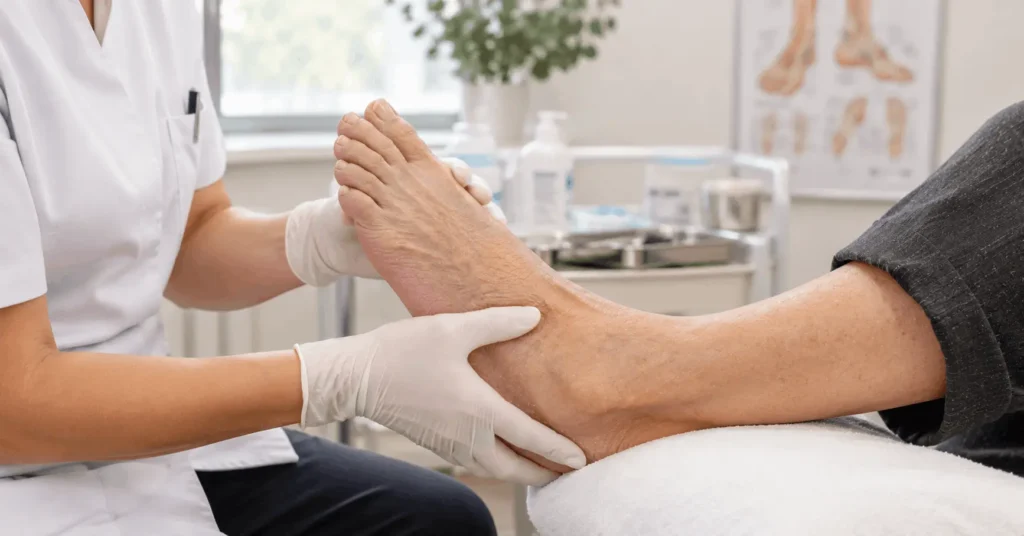
This deserves its own section, because the standard advice above doesn’t apply the same way to everyone. Seniors, and specifically people with diabetes, poor circulation, or reduced sensation in their feet, face real risks that a typical salon pedicure isn’t necessarily equipped to handle safely.
Why this matters: Reduced sensation can mean a small nick or cut goes unnoticed, and combined with poor circulation, even minor injuries can heal slowly or become serious infections. This isn’t a reason to avoid foot care entirely, quite the opposite. It’s a reason to be more deliberate about who provides it.
If this describes you or someone you’re caring for, a few things are worth knowing:
- A podiatrist or medical pedicure specialist is often the safer choice over a standard nail salon, since they’re trained to work around circulation and sensation concerns specifically.
- Ask salons directly about their experience with diabetic or at-risk clients before booking, and don’t hesitate to skip a salon that seems unsure how to answer.
- Regular foot checks matter more than polish. Catching small issues (redness, cracks, sores) early is the real priority, cosmetic care is secondary.
None of this is a substitute for medical advice specific to your situation. If you or a loved one has diabetes or circulation concerns, it’s worth asking a doctor or podiatrist directly what foot care routine they’d actually recommend.
When You Should Actually Skip a Pedicure
A few situations are genuine reasons to postpone, not just be a little cautious about:
- Open wounds or fresh cuts on your feet or lower legs.
- Signs of active infection — redness, warmth, swelling, or pus around a nail or cut.
- An ingrown toenail that looks infected, rather than just uncomfortable.
- Any skin condition your doctor has told you to keep away from shared foot baths or tools.
If any of this sounds like your situation, it’s worth seeing a doctor or podiatrist before your next salon visit rather than pushing through for the sake of the appointment.
A Couple of Quick Notes
On vaseline: yes, it’s a reasonable, gentle option for softening dry cuticles and skin around your nails between appointments, since petroleum jelly locks in moisture without much risk of irritation. On nail-friendly drinks: plain water and adequate hydration generally support nail health more than any specific specialty drink, though this is a minor factor compared to overall nutrition and avoiding nail trauma.
Frequently Asked Questions
How long should a full pedicure take?
Generally 45 minutes to an hour for a standard service, longer if you’re adding extras like paraffin treatments or extended massage.
Is it better to get a pedicure or a manicure?
Neither is objectively better; they serve different purposes and most people benefit from both rather than choosing one over the other.
What is the healthiest type of nails to get done?
For both hands and feet, natural nails with occasional gel polish tend to put the least ongoing stress on the nail bed compared to frequent acrylic or extension wear.
How much should I tip for a $40 pedicure?
Standard etiquette is 15–20% of the service total, so roughly $6–$8 on a $40 pedicure, a bit more if extras like extended massage were included.